Authors: Joyce Chew (Retiree from the Ministry of Attorney General / TNO Volunteer) & Stephen Kamlasaran
October 2026
Authors: Joyce Chew (Retiree from the Ministry of Attorney General / TNO Volunteer) & Stephen Kamlasaran
When TNO’s Integrated Services for Seniors (ISFS) launched “Generations in the Kitchen – a Culinary Journey Through Time,” the premise was simple. It was a seven-week summer program held from 10 am to 4 pm at the Hub’s state-of-the-art Community Kitchen, designed for participants to cook, clean up together with a certified food preparation leader share culinary skills, and socialize.
My initial reaction? Thanks, but no thanks. After over 55 years of working 9-to-5, juggling household responsibilities, and even attending night classes to complete a university degree while working full-time, committing a day to kitchen chores didn't immediately appeal to me. However, curiosity won out. I signed up with an open mind, ready to experience—and perhaps critique—this new venture.
Cultural Flavors and Collaborative Triumphs
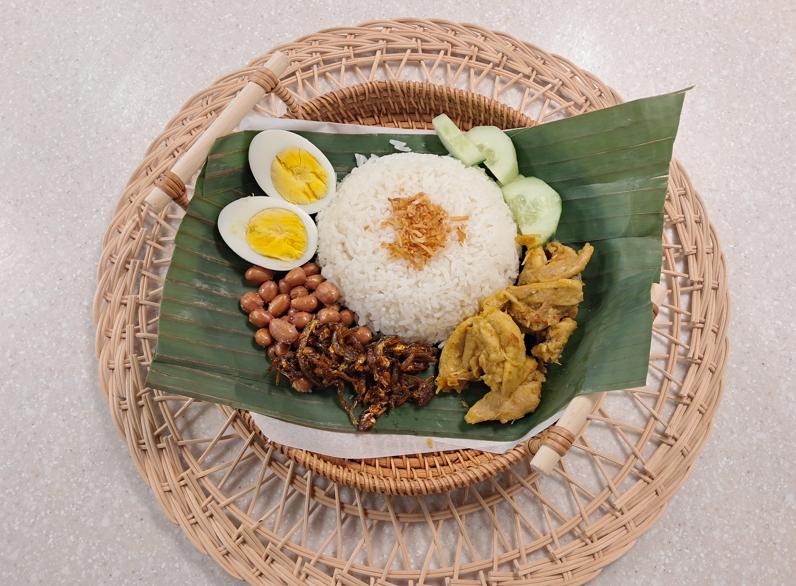
The program's unique structure allowed participants to co-lead and select their favorite cultural menus. I suggested "Nasi Lemak," a fragrant rice dish accompanied by rich Chicken Rendang, fried anchovies, peanuts, boiled eggs, and cucumbers. It’s a deeply nostalgic family favorite, popular across Southeast Asia and famously served on Malaysia Airlines. Though our instructor, Melody, wasn't initially familiar with it, she embraced the challenge. With a bit of teamwork and her supplementary research, we breezed through the preparation, yielding a delicious result that erased all my fears of an anti-climax.

The joy of the dish was best captured by Fathima, a participant who mindfully and traditionally enjoyed the meal by eating with her fingers. . In some cultures this is a norm and a technique acquired where the fingertips are used to pick up food. Apart from being a traditional practice, studies have shown that it is also a mindful way of eating that supports digestion.
This spirit of exploration continued across global cuisines. Melody expertly guided us through Japanese, Chinese, Korean, and Thai dishes. For our Thai comfort food, "Pad Thai," we took an innovative approach: breaking into small teams of two or three to stir-fry, garnish, and present our own unique interpretations of the classic noodle dish.


We also marveled at culinary artistry throughout the weeks. We learned Perlita’s efficient, minimum-waste pineapple cutting technique. She first removed the skin leaving as much flesh as possible. She then removed the pineapple “eyes” individually by cutting diagonal V-shaped grooves along the rows of eyes. This technique leads to minimum waste. Depending on the recipes, pineapples can be cut into spears, rings or chunks.

We admired Shrouq’s intricate melon baskets, and saw ISFS Manager Sandra C. deliver the best kiwi presentation among our pool of amateurs.

Sweet Traditions and a Youthful Perspective
Dessert brought its own profound lessons. Shrouq, drawing on her medical background and Iraqi heritage, introduced us to "Easy Date Energy Balls". Blending Medjool dates with walnuts, cardamom, chia seeds, and cocoa, she shared how the date palm symbolizes life, generosity, and resilience in Iraq. Or, her alternative version was go easy with just one regular date with removed seed, and replacing it with walnuts or almonds.
Shrouq cup cakes are “to die for”. We baked vanilla and chocolate cupcakes, after which the participants who wished to have hands-on experiences on icing techniques had the unique opportunity to decorate their own creatively decorated cupcakes.

As the weeks progressed, the kitchen often grew loud. Participants would occasionally boss each other around, passionately defending their personal cooking techniques and preferences. Yet, this is exactly where the intergenerational magic happened.
If we look through the eyes of the youth who joined our cohorts, this lively, sometimes chaotic atmosphere wasn't an annoyance - it was a vibrant masterclass. To a younger generation, our fierce debates over seasoning and technique were a living display of cultural pride. They witnessed firsthand that recipes are more than just measurements; they are histories fiercely protected and generously shared across generations.
Conclusion
Ultimately, the temporary annoyances of a busy kitchen were a small price to pay for mouth-watering food and a profound sense of community. "Generations in the Kitchen" demanded respect and teamwork, challenging us to revisit our set ways and remain open to unexpected hands-on learning. Kudos to this incredible ISFS program for proving that whether you are a senior, an enthusiastic community member, or a youth, the best memories are always made in the kitchen.